
Hearing Assessment
Early detection and treatment of hearing loss is the best solution for your hearing health care.
Importance
of Hearing Assessment
Hearing can decline gradually, so you may not notice any change. Regular hearing evaluations are recommended, especially for those over the age of 55, those that suffer from related health concerns, and noise exposure.
During your visit to City Hearing Aid Centre, our hearing instrument specialist will discuss any challenges you might be experiencing with your hearing, and its effect on your lifestyle. We can also answer any questions you might have before we start the test. After the assessment has been completed we will discuss your results as well as treatment solutions to help overcome your hearing challenges or preventative measures to help protect your hearing.
It has been shown that hearing loss can reduce your ability to communicate and cause many to slowly withdraw from day-to-day activities, leading to feelings of isolation and depression. If hearing loss isn’t treated, your brain receives less sound input, which can eventually weaken your ability to understand and process sounds over time. Early detection and treatment of hearing loss is the best solution for your hearing health care.
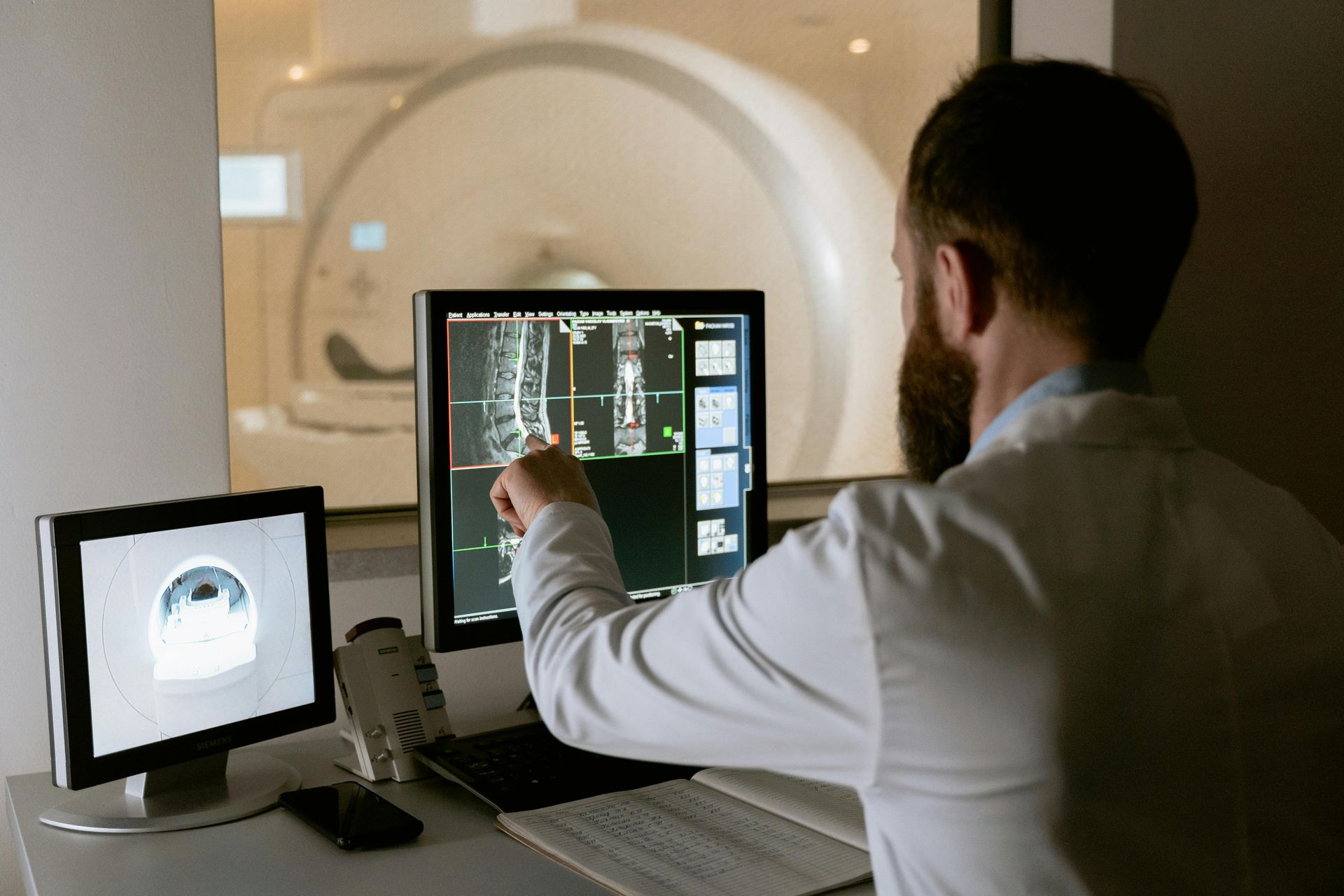
What Is a Hearing Assessment?
A hearing assessment helps you understand how well you hear different sounds and voices in various settings. It’s a chance to learn more about your hearing health and catch any changes early, so you can make confident choices about next steps.
Why Early Assessment Matters?
Hearing changes can be slow and hard to notice. Getting an assessment before problems affect your daily life means you can get help sooner and stay connected to the sounds and people that matter most. Even mild hearing loss can impact conversations, work, and social activities.
What Hearing Tests Can Reveal?
Hearing tests show more than just your ability to pick up sounds. They can highlight which pitches or tones are difficult to hear and help your provider personalize care. These insights ensure any recommendations truly fit your unique hearing needs.
Common Myths About Hearing Assessments
Some believe hearing tests are only needed for older adults or if a problem is obvious. In truth, hearing changes can happen at any age and may be missed without routine checks. Hearing assessments are simple and help catch issues early, no matter your age or working environment.
Myth 1: Only older people need hearing tests.
Truth: Hearing loss can affect people of all ages, including children and young adults. Routine check-ups help everyone maintain healthy hearing.
Myth 2: I would know if I had hearing loss.
Truth: Many people miss early signs, since hearing loss often develops slowly. Regular hearing assessments can spot issues before they impact daily life.
Myth 3: Hearing tests are uncomfortable or complicated.
Truth: Hearing assessments are quick, non-invasive, and painless. Most people find the process easy and helpful.
Myth 4: Hearing loss can’t be treated or helped.
Truth: Many hearing problems have practical solutions, from simple protection tips to treatable conditions and personalized hearing aids.
Myth 5: Only exposure to loud noise causes hearing loss.
Truth: Hearing loss can also result from genetics, medical conditions, infections, or medication—not just noise exposure. Assessments help find the cause and best next steps.

A hearing assessment is an important step toward understanding your overall hearing health. With clear results and personalized guidance from hearing instrument specialists at City Hearing Aid Centre, you can make informed decisions for your well-being.
Taking action early supports better communication and helps you stay connected to the moments and people that matter most.
FAQs on Hearing Assessment
What happens during a hearing test at your clinic?
At our hearing centre in Peterborough, we begin by discussing your hearing concerns and medical history before performing painless hearing tests and reviewing them with you in clear, simple terms.
How long will my hearing assessment usually take?
Typical visits last between 45-60 minutes. That gives us enough time to discuss your symptoms, complete hearing tests, explain our findings, and answer any questions that arise before you leave.
Do I need a referral from my doctor for a hearing test in Peterborough?
In most cases, you can contact our hearing centre directly and make an appointment. In certain instances, however, your physician may suggest visiting us but a referral is not always required.
How often should I have my hearing assessed?
For people over 55 or experiencing changes to their hearing, we generally suggest an annual hearing assessment; more frequent assessments may be appropriate depending on noise exposure or health considerations.
What should I bring with me for an appointment at the hearing centre in Peterborough?
Bring a list of any medications you take, information about noise exposure at work and home, hearing tests you have had previously. You can also note down situations where you find it difficult to hear, so we can discuss those as well.
What happens after my hearing assessment if there's an issue identified?
If our evaluation identifies signs of hearing loss, we will explain its effects and next steps; these could include hearing protection tips, further medical follow-up or hearing aid solutions should they become necessary.